

A standard truck rolling off the lot is a capable machine. But for a plumber running five service calls a day, an electrician hauling conduit across Harford County, or a landscaper managing multiple crews, capable isn't enough. Understanding how work truck upfitting works can mean the difference between a vehicle that just gets you to the job site and one that actually improves how your business operates day to day.
What Is Work Truck Upfitting and Why Does It Matter for Your Business?
Upfitting is the process of modifying a truck after it leaves the factory to meet the specific demands of a trade or industry. A stock truck gets converted into something built around your actual workflow. An upfitter sources and installs the right components for your situation after the vehicle leaves the manufacturer's assembly line.
How Upfitting Turns a Stock Truck Into a Proper Work Vehicle
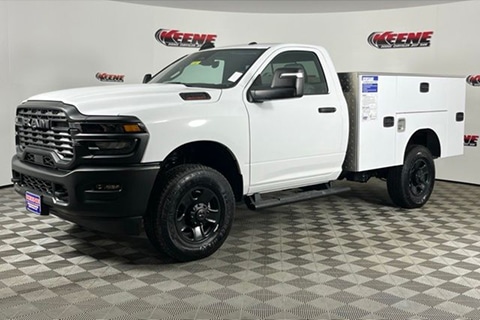
A Ram 2500 right off the assembly line is already a strong truck. But once an upfitter adds a service body, installs interior shelving, mounts a ladder rack, and wires in work lighting, that same truck becomes an extension of your operation. When the build matches the job, crews spend less time managing equipment and more time completing work.
Why Contractors and Tradespeople in Harford County Invest in Upfitted Trucks
For contractors and business owners across Harford County, a well-equipped work truck improves job site safety by keeping tools secured and weight properly distributed. It supports better time management because everything has a designated place. When your truck is consistently outfitted, it also projects professionalism to every client who sees it pull up. And when the right equipment is always on board and accessible, your team can take on more calls without scrambling to repack between jobs.
Start With the Job: Matching Your Ram Truck to Your Trade's Real Demands
Before you think about upfit components, you need the right foundation. Choosing the wrong chassis will limit what your upfitter can do and may create performance problems down the road.
Choosing Between a Ram 1500, 2500, 3500, or Chassis Cab
The Ram 1500 suits lighter commercial use, such as a single-operator service vehicle or a truck used mainly for hauling tools on smaller jobs. The Ram 2500 and Ram 3500 handle heavier payloads and more demanding towing. For trades requiring a fully custom body, such as a crane body, dump bed, or large service body, the chassis cab configuration gives upfitters the most flexibility to build exactly what the job requires. Browse our new Ram trucks to explore current inventory across the full lineup.
Payload, Towing Capacity, and Why They Drive Your Upfit Decisions
Payload and towing ratings determine what your upfitted truck can legally and safely carry once all modifications are complete. Service bodies, shelving, equipment, and materials all add weight. If you select a truck with a payload rating that barely covers your intended build, you'll operate near or over your limit, creating safety risks and accelerating wear. Getting this step right before committing to any upfit components sets the entire build up for success.
The Work Truck Upfitting Process: From Consultation to Delivery
The upfitting process moves through clear phases, each building on the last. The outcome depends heavily on the quality of input you provide at the start.
Step 1 – Define Your Workflow and Equipment Needs
Before any components are selected, focus on how you and your crew actually work. Think through what you carry every day, what you reach for most often, and where time gets lost because your current setup isn't working. A thorough workflow assessment makes sure the upfit solves real problems. This is also where you separate must-haves from nice-to-haves. Getting specific here prevents costly changes later in the process.
Step 2 – Select Your Upfit Components and Configuration
With your needs defined, you work with your upfitter to choose the service body type, storage systems, rack configurations, and specialty equipment. Every decision should trace back to your workflow. Good upfitters will help you think through weight distribution, compartment sizing, and accessibility so the final build works as a cohesive system.
Step 3 – Coordinate Installation and Inspect Before Delivery
Once components are selected and ordered, installation is coordinated through qualified technicians. This phase requires careful attention, especially for electrical work, structural modifications, and any equipment that affects vehicle safety systems. Before you accept delivery, confirm that every component is secure, all systems function correctly, and the vehicle meets your agreed specifications. A quality upfitter will walk you through the completed build and address anything that needs adjustment.
Common Upfit Options for Contractors, Landscapers, and Fleet Buyers
Service Bodies, Flatbeds, and Utility Beds
Service bodies are enclosed compartment units that replace the factory bed and provide lockable storage for tools and equipment. They're a staple in plumbing, HVAC, electrical, and utility work. Flatbeds offer maximum load flexibility for contractors hauling lumber, pipe, or pallets. Utility beds combine open bed space with built-in compartments. Each body type changes the truck's weight and load distribution, reinforcing why selecting the right base truck first matters.
Ladder Racks, Shelving, and Tool Storage Systems
Ladder racks keep long materials like pipe, conduit, and lumber safely secured above the bed, freeing up cargo space below. Interior shelving systems organize smaller tools so your crew can find what they need immediately. Drawer systems, bin dividers, and lockable cabinets add security and efficiency for service technicians carrying expensive equipment. Properly stored equipment also lasts longer, reducing replacement costs over time.
Snow Plows, Towing Equipment, and Lighting Upgrades
Snow plow upfits convert work trucks into revenue-generating assets during the off-season. Towing packages, including heavy-duty hitches, trailer brake controllers, and extended mirrors, expand a truck's commercial capability. Lighting upgrades, including LED work lights and strobe systems, improve visibility for crews working early mornings or low-light conditions. These additions can significantly expand what a single work truck can do across seasons.
Upfitting by Trade: Practical Configurations for Harford County Businesses
Different trades call for different upfit builds even when starting from the same truck. The table below reflects realistic configurations for trades common across Jarrettsville, Bel Air, Forest Hill, Fallston, and Harford County.
| Trade / Industry | Common Body Type | Key Storage Needs | Power / Utility Additions | Common Base Vehicle |
|---|---|---|---|---|
| Plumbing | Service body | Pipe racks, parts bins, lockable compartments | Work lighting | Ram 2500 or Ram 3500 |
| Electrical | Service body | Labeled bin shelving, conduit storage, ladder rack | Work lighting, power inverter | Ram 2500 |
| HVAC | Service body | Oversized lower compartments, roof rack for duct work | Power inverter, work lighting | Ram 2500 or Ram 3500 |
| Landscaping | Flatbed or utility bed | Tool compartments, trailer hitch | None typically required | Ram 1500 or Ram 2500 |
| General Contracting | Flatbed or utility bed | Material storage, secured tool boxes | Work lighting, trailer brake controller | Ram 2500 or Ram 3500 |
| Farming / Agriculture | Flatbed or chassis cab | Utility cargo handling, fuel storage | Trailer brake controller | Ram 3500 or chassis cab |
The most effective builds start by mapping the trade's daily routine and then selecting components that eliminate friction from that routine.
Fleet Upfitting: Building Consistency Across Multiple Work Trucks
For businesses running multiple vehicles, fleet upfitting delivers value well beyond individual truck performance. When every truck in your fleet shares the same layout, your crew can move between vehicles without relearning where anything is. Tools are always in the same drawer. That consistency reduces errors and saves time across every shift.
Standardized fleet builds also simplify maintenance. When all vehicles share the same upfit components, managing parts, inspections, and repairs becomes more efficient. Your service team knows exactly what each truck carries and how each system is configured, which speeds up turnaround when a vehicle needs attention.
Upfitters who work with fleets can develop a standardized upfit specification that gets replicated across new vehicles as your fleet grows. The National Truck Equipment Association (NTEA) and Ram Professional's upfitter resources, including the Ram Body Builder's Guide, provide technical guidance that supports this kind of standardized approach. Working with a commercial dealership that coordinates both the vehicles and the upfit process makes scaling far more straightforward.
How Keene CDJR in Jarrettsville Supports Your Commercial Truck Build
As your Jarrettsville commercial truck dealer, Keene CDJR is more than a truck dealership. Our dedicated commercial division is built specifically to support business owners and fleet operators who need vehicles that are ready to work from day one.
Our team helps commercial buyers work through the full process, covering Ram truck selection and upfit guidance tailored to your trade's actual demands. Our inventory spans the full Ram lineup as well as ProMaster cargo and passenger vans. We also provide support with business tax incentive guidance, which can meaningfully offset the cost of a commercial build. Learn more about the Keene CDJR advantage and what sets our commercial division apart.
For businesses already running a fleet, our on-site Mopar-certified service center handles routine maintenance, diagnostics, warranty repairs, and commercial fleet servicing. The parts department carries genuine Mopar parts, so when components need replacement, you're getting the right fit from a trusted source.
If you're ready to explore what a well-built work truck could do for your business, contact our commercial sales team at Keene CDJR, 3707 Norrisville Road, Jarrettsville, MD 21084, or call us at (410) 983-6765. Whether you're building a single custom work truck or standardizing a commercial fleet, we have the inventory, expertise, and commercial support to help you get it right.