

 â
â
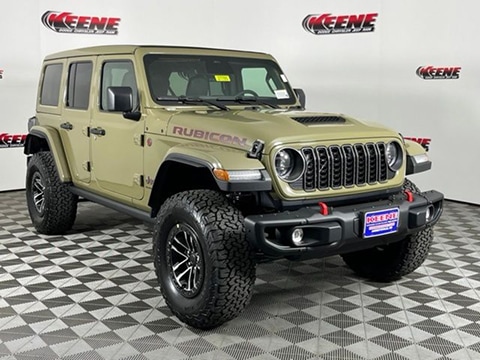
Owning a Jeep Wrangler in Harford County comes with a particular kind of freedom. Maybe you're navigating the back roads outside Jarrettsville one weekend and commuting through Maryland's varied terrain the next; either way, a Wrangler is built to handle it. That capability comes with a responsibility a lot of owners underestimate: consistent, thoughtful maintenance. Even the toughest vehicles wear down without proper care, and staying ahead of your Jeep Wrangler maintenance schedule is the most effective way to protect your investment and keep every adventure on your terms.
Below is a general roadmap based on Jeep/Mopar maintenance guidelines, along with some guidance on how Harford County driving conditions may shift your timeline. When you're ready to book service, our team at Keene CDJR in Jarrettsville is here to help.
Why Routine Maintenance Matters for Your Jeep Wrangler
Skip routine service on a Wrangler and it won't fail all at once. It slows down gradually and gets less reliable mile by mile, until eventually you're looking at a repair bill that could've been avoided months earlier. Regular maintenance catches small issues before they turn serious: a fluid level creeping low, a belt showing early wear, brake pads thinning faster than expected on rough terrain.
Consistent service also supports resale value. Buyers pay attention to service history, and a well-documented record signals a vehicle that's been cared for rather than driven hard and ignored. This matters even more for off-road enthusiasts, since aggressive driving stresses components that casual buyers tend to scrutinize closely.
Building a General Maintenance Roadmap for Your Wrangler
No two Wranglers age the same way. Service needs depend on mileage, the kind of driving you do most often, and how well previous maintenance has been handled. Jeep and Mopar publish general maintenance guidelines for normal driving conditions, and Harford County owners can use these mileage markers as a quick-reference roadmap, keeping in mind that extreme heat, cold, towing, or off-roading may shift the timeline earlier.
Everyday Upkeep: Every 7,500 Miles
Under normal driving conditions, Jeep/Mopar guidelines call for the following roughly every 7,500 miles:
-
Oil change.
-
Tire rotation.
-
Battery inspection.
-
Brake inspection.
-
Engine air filter check.
Extreme heat, cold, or dusty and off-road conditions may push oil changes earlier than this general interval suggests. For this everyday upkeep, our Express Lane service at Keene CDJR handles oil changes and tire rotations quickly, without an appointment, so routine visits fit into a normal week rather than taking one over.
Mid-Life Milestones: 20,000 Miles
By around 20,000 miles, Jeep/Mopar guidelines recommend a more thorough look:
-
Replace A/C and cabin air filters.
-
Inspect CV and universal joints, front suspension, and tie rod ends.
-
Inspect brake linings and the parking brake.
-
Check transfer case fluid.
Depending on the condition, the battery or tires may also need replacement around this point. Belts and hoses are worth a look at the same time, since cracked or stretched components in this mileage range can trigger a breakdown at an inconvenient moment.
Long-Term Care: 40,000, 60,000, and 100,000 Miles
Higher-mileage Wranglers need more deliberate fluid and component service:
-
40,000 miles: front and rear axle fluid change.
-
60,000 miles: transfer case fluid change and transmission fluid change (sooner if you tow or off-road frequently).
-
~100,000 miles: PCV valve inspection/replacement, drive belt check, and radiator flush.
Coolant should be flushed at 100,000 miles or 10 years, whichever comes first. Detailed service records become especially valuable at this stage, helping you and your technician get ahead of what's coming next rather than reacting to failures after they happen.
Key Fluids and Components Every Wrangler Owner Should Monitor
A Wrangler's mechanical complexity means there's more to track than on a standard commuter car. Knowing which fluids and systems matter most helps you stay informed during service visits and catch issues before they escalate.
Transmission and Transfer Case Fluid
For a vehicle built to shift between two-wheel and four-wheel drive, transmission and transfer case fluids aren't optional maintenance items. Per Jeep/Mopar guidance, transfer case fluid is typically changed at 60,000 miles under normal use, but frequent off-roaders or those in severe-duty conditions may need it as early as 30,000 miles. Neglect these fluids and you're looking at rough shifting, power distribution problems, and eventually serious internal damage.
Brake Fluid, Pads, and Suspension Components
Brake fluid absorbs moisture over time. As moisture content rises, the fluid's boiling point drops, cutting braking performance right when you need it most. Checking fluid condition alongside pad thickness and rotor wear, part of the 20,000-mile inspection noted above, gives you the full picture of your braking system's health.
Suspension components take a real beating on a Wrangler used off-road. Shocks and ball joints see significant stress on uneven terrain, and a visual inspection during routine service can catch early deterioration before it affects handling or off-road capability.
Battery Health and Cooling System Checks
A weak battery doesn't just cause hard starts. It can strain the alternator and put stress on other electrical components too. Routine testing, especially before winter and summer hit, takes just a few minutes and buys real peace of mind.
The cooling system works hard on a Wrangler, particularly off-road, where airflow through the grille isn't always consistent. Coolant needs checking for proper concentration, and hoses along with the radiator cap should be inspected for wear. An overheating engine is one of the most damaging outcomes of neglected cooling maintenance, and one of the easiest to prevent.
How Driving Habits and Conditions Impact Your Maintenance Needs
Geography and driving style shape a maintenance schedule as much as mileage does. Harford County's mix of suburban roads, rural routes, and trail access creates demands that a normal-duty schedule doesn't fully cover.
Off-Roading and Rural Harford County Roads
Trail driving puts a Wrangler through conditions standard road use doesn't replicate. Rocks, mud, water crossings, and steep grades stress the axles, drivetrain, and tires, speeding up wear across multiple systems at once. Regular off-roaders or towers typically fall into Jeep/Mopar's severe-duty category, meaning transfer case fluid may need changing as early as 30,000 miles instead of 60,000, and other intervals should tighten up accordingly.
Rural roads present their own challenges even without leaving the pavement. Loose gravel and uneven surfaces common on Harford County backroads wear down suspension and tires more aggressively than clean highway driving does.
Owners in these areas often benefit from tightening inspection intervals to catch wear that builds up faster than a normal-duty schedule would predict. Frequent short trips around town, common for daily commuters, can also keep oil and fluids from reaching proper operating temperature, adding to wear over time.
Seasonal Factors: Heat, Humidity, and Winter Weather
Maryland's climate covers a lot of ground. Summer brings heat and humidity that speed up fluid degradation, stress cooling systems, and tax the battery. It's a good time to verify coolant concentration and confirm the A/C is working properly, since a struggling compressor adds to engine load.
Winter brings a different set of concerns. Cold temperatures thicken fluids and cut battery output, while road salt on Maryland roads speeds up corrosion on exposed metal. Checking undercoating, adjusting tire pressure after temperature drops, and confirming antifreeze is mixed correctly are simple steps that head off winter-specific failures. Running all-terrain or mud-terrain tires year-round? Keeping them properly inflated through temperature swings matters even more for safe handling.
Protecting Your Investment with Consistent Service
A Jeep Wrangler holds its value better than most vehicles in its class, but only when maintenance is handled consistently by people who know the platform. Skipping intervals might look like a short-term savings, but deferred maintenance compounds fast. A worn brake pad left alone turns into a damaged rotor. Low coolant left unchecked turns into an overheated engine. The gap between catching something early and dealing with a full system failure is rarely small, and since cost varies based on your vehicle's condition and the services needed, it's worth checking current service and parts specials before your next visit.
Building a relationship with a trusted service provider means you're not starting from zero at every appointment. A technician who knows your vehicle's history can make smarter calls, spot patterns of wear, and help you decide what needs attention now versus what can wait.
Why Harford County Wrangler Owners Trust Keene CDJR in Jarrettsville
Keene CDJR, located at 3707 Norrisville Road, Jarrettsville, MD 21084, is a Mopar-certified service center focused on the vehicles it knows best. For Wrangler owners, that focus matters. Jeep-specific service goes beyond basic oil changes and tire rotations; it's about knowing how the vehicle holds up after hard use and which components tend to need attention at different mileage points.
Our factory-trained technicians work with genuine Mopar parts, so replacement components are built to the same specs as what came on your vehicle originally, a meaningful distinction for a Wrangler, where off-road capability and drivetrain reliability depend on parts that fit and function exactly as intended. As your Jarrettsville Jeep dealership, Keene CDJR also offers local convenience: service and parts are open Monday through Friday from 7:30 AM to 6:00 PM, and Saturday from 7:30 AM to 3:00 PM, making it workable for owners who need an early drop-off before the workday or a weekend visit.
Schedule Your Jeep Wrangler Service at Keene CDJR Today
Keeping your Wrangler on schedule doesn't take a complicated system. It takes a reliable partner and the discipline to stay consistent. Whether you're due for routine upkeep, heading into a seasonal inspection, or dealing with something specific after a trail run, Keene CDJR has the expertise and factory-trained technicians to handle it properly.
Reach the Keene CDJR service team at (410) 983-3346 to schedule your next appointment, or schedule service online in just a few minutes. You can also stop by 3707 Norrisville Road, Jarrettsville, MD 21084. Staying on top of your Jeep Wrangler maintenance schedule is the simplest way to keep your Wrangler doing what it was built to do, and Keene CDJR is ready to help you stay ahead of what's next.